
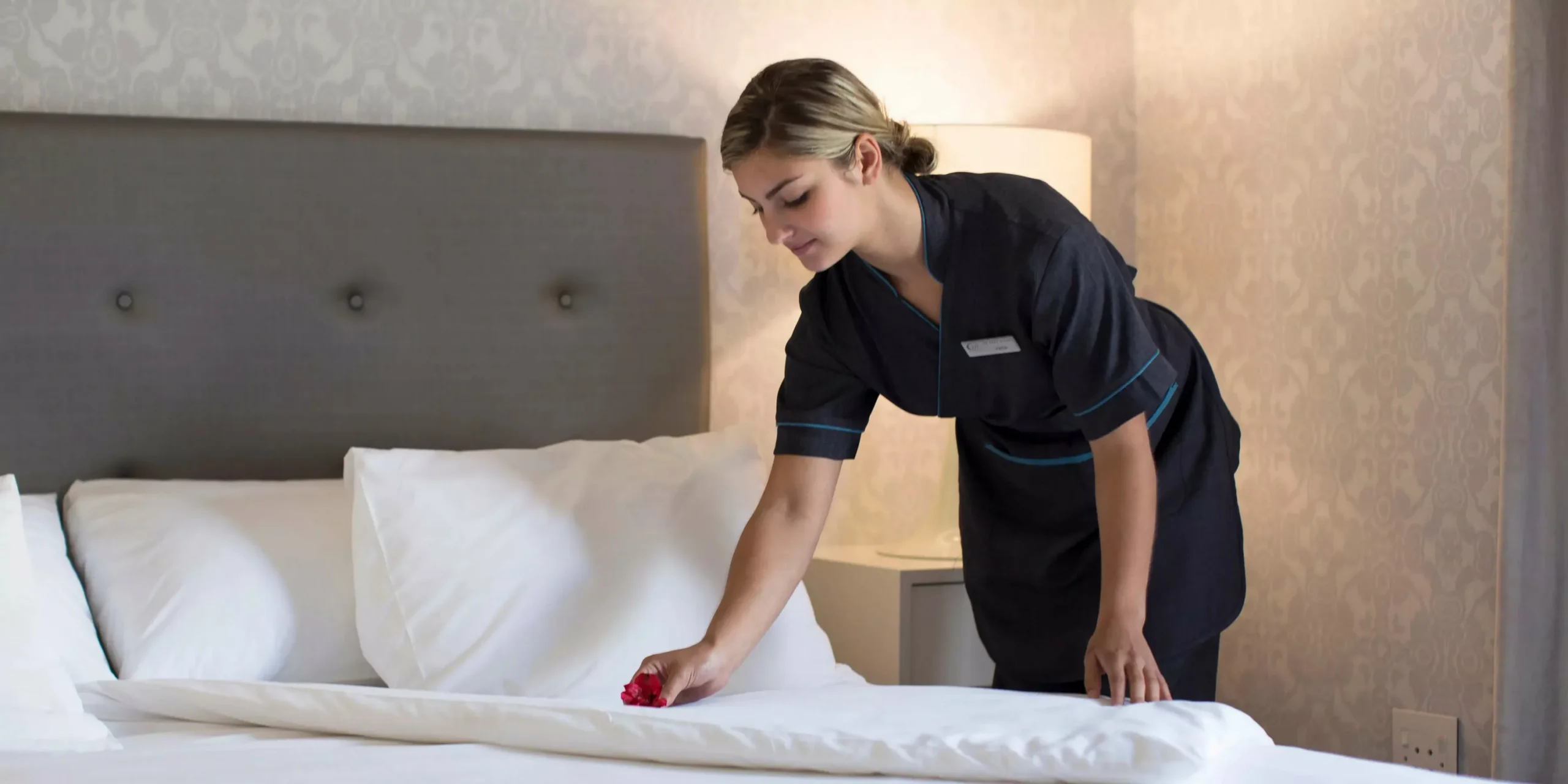
A small incident I experienced at a hotel last week is prompting me to write this article. The team member responsible for room cleaning encounters a personal notebook the guest had forgotten on their desk and, curious about its contents, leafs through it. The incident may seem simple, but this behavior dynamites not just legality but also trust—one of the cornerstones of service quality. Respect for personal belongings in guest rooms is a principle of professional hospitality that must not be missed.
In the tourism industry, customer satisfaction and trust rise above all other successes. Because a guest doesn’t just stay at your hotel and pay a fee—they entrust to you their own privacy, security, and most valuable moments. For this reason, the attitude we display toward all the personal belongings in their rooms reflects our institutional identity and professionalism in its purest form.
Privacy Is Not Just a Right, but a Responsibility
A hotel room is a place that becomes the guest’s “home,” even if temporarily. Here they make phone calls, open work emails, may write personal notes, and take photos with their family. While making use of this space, the guest has a certain expectation of privacy. This expectation is protected legally, but more importantly, it is an ethical responsibility.
Everyone who works at the hotel—from the room-cleaning staff to the receptionist, from technical service to security—can gain access to the guest’s personal space. This access must stay within the limits necessary to do that job. A room-cleaning staff member’s job is to clean the room and make the bed—reading the guest’s documents or showing interest in their belongings is definitely not part of the job.
The practices I’ve seen at high-standard hotels in Europe and America show that the more strictly you apply these rules, the stronger guest loyalty becomes. When they arrive, the customer knows that their personal space is fully protected.
Setting Boundaries in Room Cleaning
What can we touch while cleaning the room, and what should we not touch? This question is an area where many hotel teams don’t have a clear answer. Practically speaking, the cleaning staff member’s job is to wipe the tops of tables, collect the trash, clean the bathroom, and tidy surface areas. But if there are the guest’s personal belongings on the table, one works around these items—they are not moved.
One of the frequently occurring mistakes is placing items on the table or bed elsewhere for the sake of convenience during cleaning. Moving the guest’s wallet, documents, or work files “so I can clean the table” is a violation of privacy. The correct approach is to move items only when the guest has given permission or in a situation of security necessity.
A good practice is to give the cleaning team clear instructions on this:
- If you see the guest’s personal belongings, first skip or leave cleaning that area and notify reception
- Under no circumstances investigate the guest’s documents, devices, or personal space
- When forgotten items are found, rather than using them, immediately report them to a manager
- Use the room key only during your designated hours and when necessary
Building Trust in the Workplace
When a businessperson enters their room returning from an important meeting, they want to see the files on their desk in place. A family wants to see their children’s toys and belongings exactly as they left them. A traveler wants to feel that the sensitive personal items in their bag haven’t been tampered with.
These unnoticed details are, in fact, a form of communication in themselves. After the guest says, “No one touched my belongings, my privacy rights were protected,” institutional trust is automatically built. Conversely, if they suspect even a small thing—for example, their bag appearing to have been opened, or their personal documents having been moved—this suspicion casts a shadow over their entire experience. However luxurious the hotel, where there is no trust, there is no satisfaction.
Customers who travel for business are especially sensitive about this. Because they’re not just hotel guests but also carry the concern of protecting their credibility and reputation in the business world. Our job is to enable these people to “breathe easy.”
Training Mechanisms and Internal Controls
It’s not enough to just “mention” these rules. To be effective, an institutional training system and control mechanisms are needed.
Every staff member starting work should receive clear training on privacy and ethical behavior within the framework of hotel instructions. This training should be presented not just as “don’t do this,” but with explanations of “why we can’t.” When staff understand the philosophy behind this rule—customer trust and professional ethics—the rule is internalized.
Starting from the room-cleaning staff up to the management level, everyone must have a common understanding of this. For example, what to do if a receptionist is asked for information about a guest must be clear: apart from legal authorities, no information is given without the guest’s permission.
Control mechanisms are just as important. At some hotels, there are hidden cameras (in legally appropriate places) or a guest “item-check” system. These are not just for the sake of deterrence but also protect the staff. Because if a problem arises, the discussion is about an incident documented and proven by the system.
Found Items: Which Procedure Should Be Followed?
Finding an item in the room—a forgotten wallet, jewelry, a document—is a sensitive situation. A lack of a solid protocol here can cause legal problems or a loss of trust.
When a found item is encountered, the first step is by no means to use it or take it for anyone. It is immediately reported to a manager. The item is touched as little as possible. Afterward, the guest is notified and it is confirmed that the item will be kept in a safe place. If the guest doesn’t come, formal action is taken according to hotel policy (usually after a certain period).
This procedure not only protects the item but also enables the staff to protect themselves legally. “I found it and gave it to the manager right away” always keeps a staff member safe.
Conclusion: The Foundation of Professionalism
Respect for personal belongings in the guest’s room is, beyond just a rule, the foundation of hospitality. It is the zero point of institutional service quality, customer satisfaction, and long-term success. When a guest enters the room they’ve paid for, they enter with an expectation of privacy. Meeting this is a human and professional responsibility on our shoulders.
Clear and explicit messages must be given to the entire hotel team on this. And these messages should not stay just on paper but become part of the work culture. Because in the end, what will determine the guest’s decision is not so much the level of cleanliness in the rooms as the trust and respect they feel. And this feeling begins with the behavior of not touching a desk with the tip of our finger, or of not leafing through personal files.
You who are reading this article, whether you’re a hotel manager or an employee, can start today. Review the protocols at your own hotel, give your team clear instructions, and make these standards lived and applied. Because trust isn’t bought—it’s earned.