
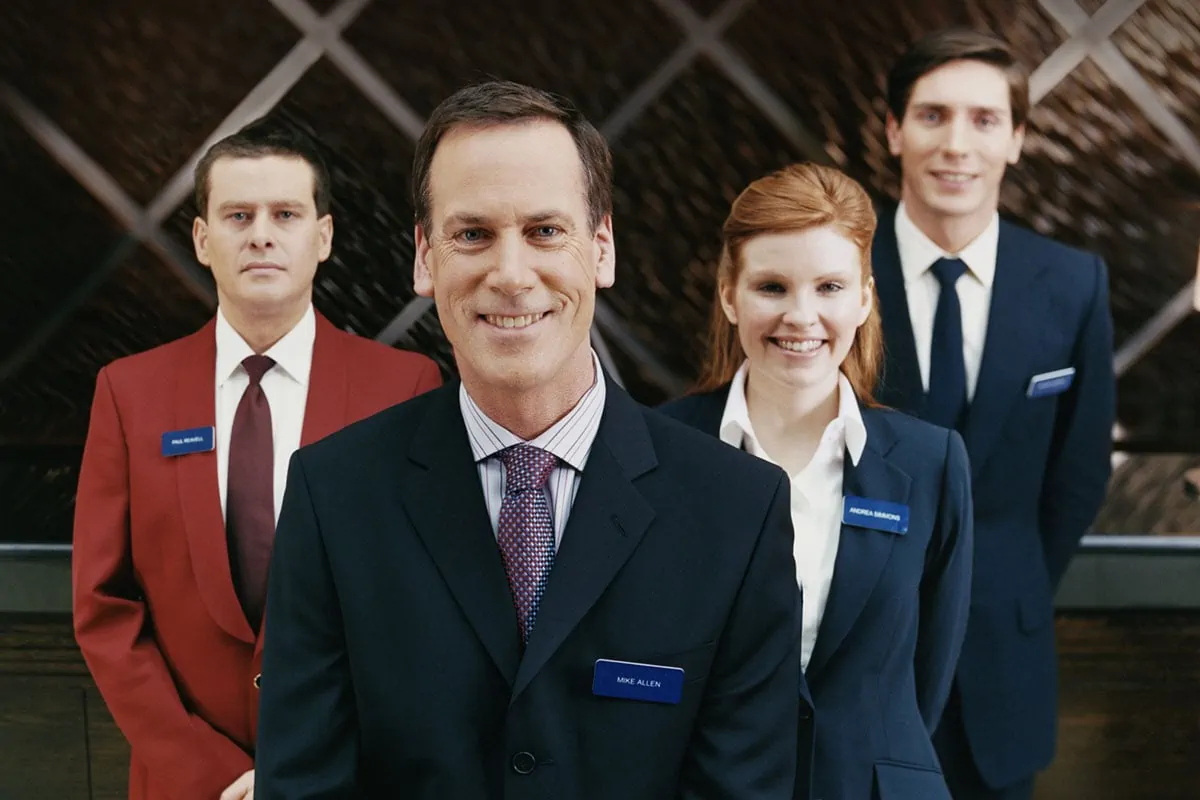
A hotel’s success depends not on the excellence of a single department but on all teams working in harmony. The front office greeting guests, housekeeping’s cleaning, the kitchen’s food, and the service team’s presentation—each is important separately, but when there’s no healthy communication and cooperation between them, customer satisfaction is seriously affected. While working on different hotel projects for years, I noticed that most inter-departmental problems actually stem from systemic deficiencies. With the right applications and procedures, these problems are not just solved but the business’s overall performance even increases significantly.
In this article, I want to share with you practices that strengthen inter-departmental cooperation, are easy to apply but have a very high impact. These are not just theoretical knowledge but field-tested and working methods.
Structuring Daily Briefing Meetings
At most hotels, a short meeting is held before the morning shift starts or before the evening shift, but these meetings are often disorganized, unplanned, and ineffective. If you make these meetings structured and purposeful, you can close a significant part of the information gaps that form between departments.
A structured briefing meeting should work like this: The manager or responsible person should complete the meeting within 10–15 minutes and clearly convey the information that needs to be reported. For example, how many rooms are booked that day, which VIP guests are expected to arrive, which rooms housekeeping needs to refresh, and special menus the kitchen needs to prepare. But more importantly, this information should be given not just to the relevant department but to the whole team, and everyone should understand why this information is important.
If only the kitchen knows a guest has a special diet, the front office may mistakenly change their menu. Or if a very important guest is expected, housekeeping needs to know they should prepare the room with extra care. Such coordination deficiencies directly affect the customer experience.
Creating Open Communication Channels
Facilitating inter-departmental communication by using the advantage of technology has become almost mandatory in today’s hospitality sector. WhatsApp groups, special hotel communication apps, or a simple Google Doc form of cooperation systems ensure urgent messages are conveyed quickly.
For example, let’s say a guest says their coffee from room service came too cold. The room service staff member can contact housekeeping to check, alongside the new coffee, whether the room needs an extra blanket. Or the front office can announce to all departments that a guest has a special request, so everyone can serve this guest a bit more attentively and specially.
But for these communication channels to function, the rules must be clear. What kinds of messages will be sent through this channel, how frequently will urgent items be conveyed, how will nonsensical posts be prevented? If these rules aren’t set, these systems can turn into another problem.
Shared Goals and Performance Metrics
For inter-departmental cooperation to become lasting, communication alone is not enough. Teams need to have shared goals. These are department-level specific goals connected to the business’s overall goals.
For example, raising the customer satisfaction rate to 95% is everyone’s responsibility. Housekeeping raising cleaning standards, the front office not making mistakes in guest reservations, the kitchen serving food on time and in the right quality, the receptionist answering the phone politely—all contribute to this shared goal. The performance metrics of these goals should be tracked and reviewed with the team every two weeks.
When a hotel employee understands that they’re a part not just of their own department’s success but of the hotel’s overall success, their behaviors change. Even a dishwasher, if told by management “We can’t serve 40 people without you,” has their motivation rise to a completely different level.
Cross-Department Training and Familiarization Programs
As long as a receptionist doesn’t truly understand how difficult a job housekeeping does, they may ask “Why isn’t this room ready yet?” Similarly, if kitchen staff don’t get the customer reaction that restaurant staff do, they can’t see the direct effects of their own work.
Periodically conducted cross-department observation and training programs close this empathy gap. Every employee should spend a few hours in another department every six months and directly experience that department’s difficulties and importance. Restaurant waiters can learn what time food needs to be ready in the kitchen, and housekeeping staff can see how critical the communication with guests at reception is.
This program creates not just professional development but also a culture of empathy and understanding between departments. The general atmosphere changes, people understand and respect one another’s work better.
Problem-Solving Mechanisms
Inter-departmental cooperation is most tested when a problem arises. How it’s handled strengthens or weakens relationships. For this reason, having clear and fair problem-solving procedures is very important.
For example, if housekeeping has an extra workload because of a mistake made by the front office, this situation should not stay buried; on the contrary, it should be noticed by management and solved. But this doesn’t mean firing the receptionist in question. On the contrary, why did the mistake occur? Was adequate training given? Is the system flawed? These questions should be asked and a solution found. The employee too, after noticing their mistake, will see that a helping hand was extended to them and will work more carefully.
Problem-solving meetings should be done for development and learning, not punishment and blame. Problems handled in this tone should preserve, even strengthen, the peace between departments.
Coordination Between Department Leaders
Even when good cooperation is ensured at the operational level, if it doesn’t get the right support from upper management, this harmony stays temporary. It’s essential that the housekeeping manager, the reception manager, the kitchen chef, and other department leaders come together regularly, discuss common problems, and seek solutions.
In these meetings, besides operational topics, budgeting, staff planning, and season strategies should be discussed too. For example, before the summer season, which departments need to take on extra staff, what kind of training is needed, and how capacity planning will be done—all of this should be handled in a coordinated way.
Conclusion
Strengthening inter-departmental cooperation is not just an improvement goal but the foundation of the hotel’s lasting success. The briefing meetings you start, open communication channels, shared goals, and cross-training programs—though they seem like small steps at first glance—create a “culture of cooperation” over time.
When this culture is created, problem-solving is faster, customer satisfaction is higher, and staff turnover is lower. Moreover, a happy and harmonious team becomes the best marketing tool on its own. Customers feel this harmony and sincerity.
If there are disconnects between departments in your hotel operations, you might try one or a few of the practices mentioned above and see. Every hotel has its own unique dynamics, so procedures should be adapted to your own conditions. But the basic principle is the same: communication, empathy, and a shared purpose.
Think of your departments as the different instruments of an orchestra. Even if each is excellent, if they don’t harmonize together, the resulting music won’t be harmonious. But when managed correctly, a wonderful symphony emerges.