
The most important truth I have learned over more than 30 years in the sector is this: a good hotel experience makes people guests, but a successful hotel operation makes them customers. The difference between these two is precisely guest loyalty. Many hotel owners and managers, busy with high occupancy rates and daily bookings, overlook the true value of creating returning guests.
Today, a guest has countless options when choosing accommodation. There are many hotels offering similar service at the same price, or even cheaper. So what makes the difference? Why do the guests of some hotels keep coming back to the same room and even recommend it to their friends? The answer is simple: experiences that create loyalty. In this article, I will share the practical and applicable strategies for building guest loyalty in the hospitality sector.
Building Loyalty Means Targeting the Return Visit, Not the First One
Professionals new to the sector often focus on the wrong goal: satisfying every guest. Of course satisfaction matters, but loyalty requires much more than that. Loyalty means not only that a guest is satisfied, but that they keep thinking about you even after their current stay has ended.
Last year, a three-star hotel I consulted for in Istanbul launched an intensive marketing campaign to increase its number of bookings. However, the guests who came stayed only once and did not return. When we ran a simple analysis, the result was interesting: the hotel offered a wonderful experience on arrival but left no impression at departure. Guests had no reason to think about the hotel after they left. That is why loyalty strategies must be designed at every touchpoint—especially toward the end.
Staff Training: The Cornerstone of Loyalty Architects
The most fundamental element of building loyalty is having your team trained for this purpose. Remember that guest loyalty is not the responsibility of the general manager, the receptionist, or the housekeeping staff alone. It is everyone’s responsibility.
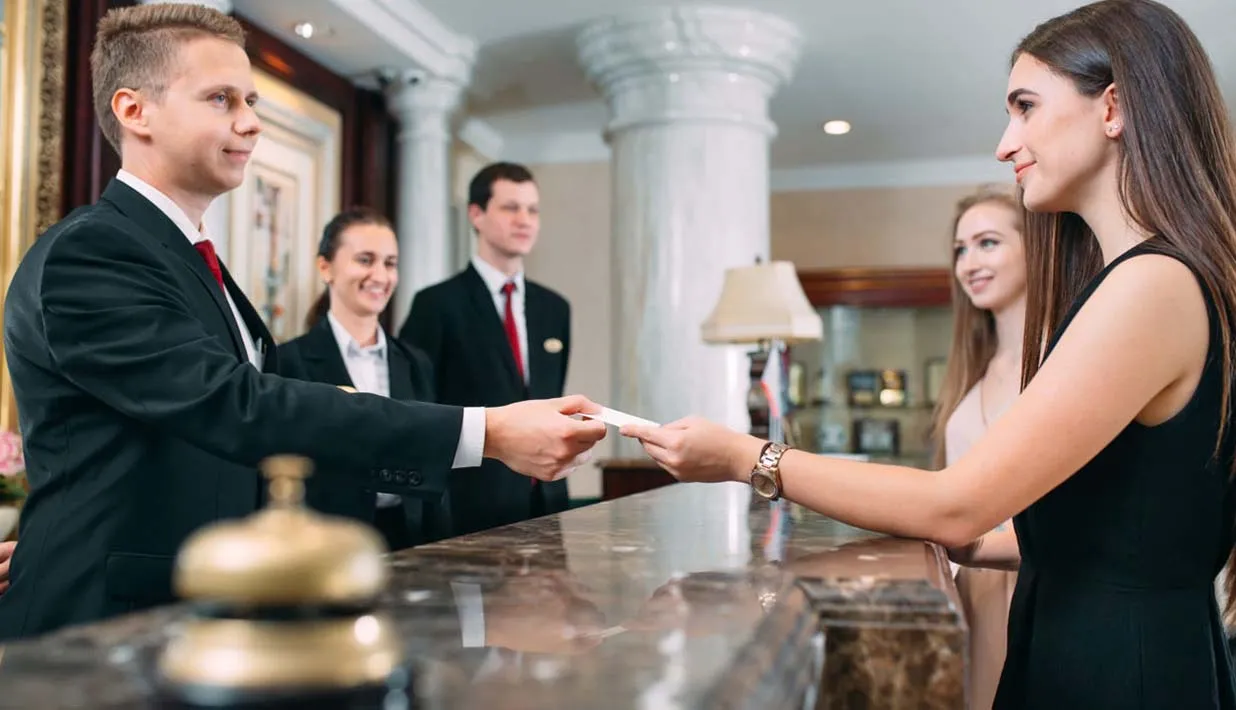
In my experience across hotels, businesses with high loyalty share one common trait: their employees have learned guests’ needs from the guest’s perspective rather than by following instructions. For example, a receptionist doesn’t just watch the guest fill out the check-in form; instead, they observe the guest’s stress level and, while handing over the room key, strike up a short conversation introducing the hotel. This difference comes entirely from training and perspective.
Within staff training, there is one area often neglected when it comes to creating loyalty: empathetic communication. Beyond meeting the guest’s physical needs (a clean room, hot water), your employees must also be able to recognize their emotional needs. Is there a guest wearing a hat, looking worn out? Perhaps their day has been stressful. A smile, a sincere greeting, or a personalized question can determine how that guest will remember the hotel.
Personalization: Creating the Feeling of a Home, Not Just an Address
The most effective way to build guest loyalty is personalization. But the personalization I’m talking about goes far beyond saying, “Welcome, Mr. Ahmet.”
Thanks to modern technology, you can access information about a guest’s previous visits, preferences, and even their manner of speaking. If a guest was woken at 6:30 a.m. on a previous visit and likes to have breakfast at that hour, remembering and applying that information on their next visit is a detail that builds loyalty. Or if a guest requested a room with hypoallergenic pillows on their previous stay, it should be prepared for them in advance this time.
Beyond that, gathering information about the guest profile is also effective. A customer who travels frequently for business will appreciate a quiet corner room where they can work and fast Wi-Fi. A guest traveling with their family will value child-friendly amenities and flexible timing options. Details like these give the guest the feeling of “I’m noticed here” and build loyalty.
Relationship Building: A Human-Centered, Not Technical, Approach
The process of building loyalty does not end on the last day of the guest’s stay. In fact, the most important part begins after the guest leaves. Many hotels assume the job is done at “check-out,” but this is a completely mistaken approach.
When the stay ends, as the guest is leaving their room—or, ideally, shortly before they depart—a face-to-face thank-you is far more effective than handing them a feedback form. When the receptionist addresses the guest by name and says, “Ms. Aylin, it was a pleasure to have you stay with us. We hope you had a comfortable stay and look forward to seeing you again,” it may seem like just one sentence, yet it is a memory that will stay in the guest’s heart.
After that, within two or three days, send the guest a thank-you message. This should not be an automated email from the hotel, but a personal message from the manager or hotel director. Rather than “May I ask your opinion of your stay?”, making a sincere connection like, “Happy holidays; we hope your vacation with your dear son was lovely,” builds loyalty.
Loyalty Programs: Understanding Human Behavior Within Rewarding Loyalty
Many hotels apply point systems under the name of a “loyalty program.” However, these programs often fail because they are merely transactional systems. Collect points, get a discount—that is not loyalty; it is a precondition for a purchase.
A genuine loyalty program assumes the guest wants to come back and adds extra value on top of that. For example, instead of just saying “one free night for every 10 stays,” think: frequent guests can be invited to try out your hotel’s new room or restaurant, which makes them feel special. Or, for a guest whose birthday is approaching, a bottle of champagne and a sweet message can be left in the room upon arrival.
Loyalty rewards should carry not only economic value, but also emotional and social value. Past a certain point, a guest returns not to earn points, but to feel that “this hotel cares about me.”
Online Presence and Feedback Management: The Modern Face of Loyalty
Today, guest loyalty is no longer built only inside the hotel. Online platforms are the new arena for building loyalty. On platforms like TripAdvisor, Google Reviews, and Instagram, guests share their experiences and others read them.
The hard truth is this: a satisfied guest tells a friend, but an unsatisfied guest tells 50 people online. That is why managing online feedback is an inseparable part of a loyalty strategy. When you receive a negative review, don’t take it personally; instead, see it as an opportunity to win loyalty. Give a professional, sincere, solution-focused response. If possible, even reach out to that guest directly: “Thank you very much for the feedback we read. We are truly sorry about this. If you give us another chance, we would like to make it right.”
Don’t ignore positive reviews either. Every positive piece of feedback expands the value of your hotel. Meet them with thanks—and even let the guest know you’ll do something extra on future visits.
Conclusion: Loyalty Is the Art of Human Relationships
The conclusion I have reached after more than 30 years in the sector is much broader than hospitality itself: loyalty is not a technique; it is an art and a matter of humanity. The most expensive hotels, the most luxurious amenities, the lowest prices—none of these can replace a sincere relationship.
What it takes to build guest loyalty is quite simple: train your team, listen to your guests, remember them, and then keep the relationship going. Host every guest in a way that gives them a reason to return. Returning guests not only bring you more revenue—they also become your best marketing network.
If you would like support in applying these strategies at your hotel, at Okay Supports we are here to help your team grow in the area of guest loyalty. With industry experience since 1996, we are ready to produce applicable, results-oriented solutions for your hotels.