
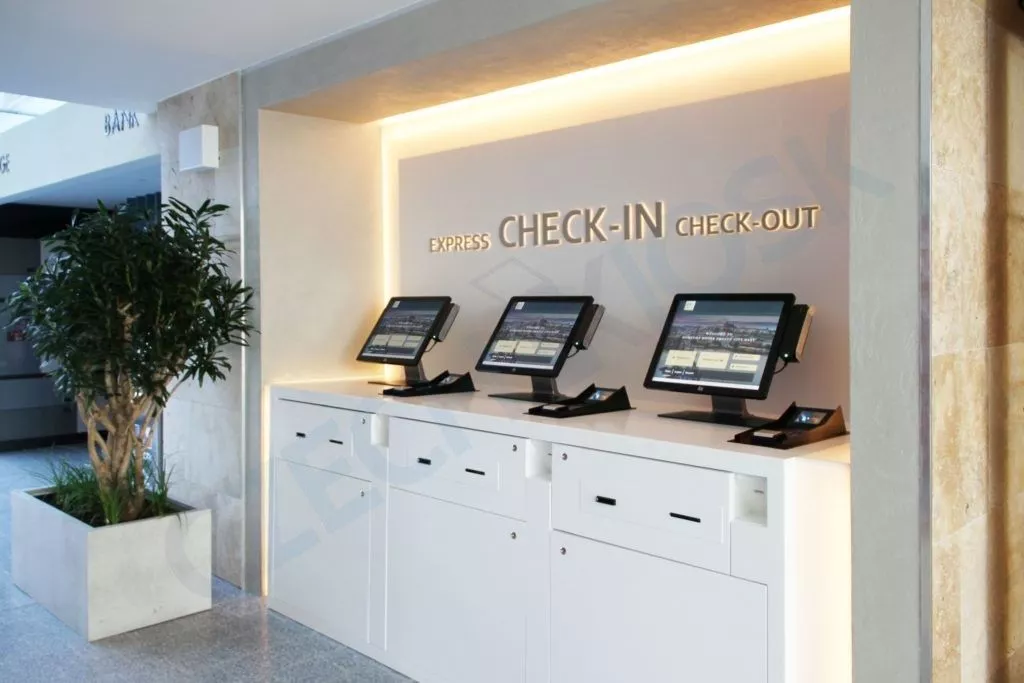
When I chatted with a hotel manager last week, they said they weren’t sure whether to invest in automated check-in systems. “Our guests want a personal touch,” they had said. A valid concern, but a partially incomplete perspective. Because automated check-in systems are neither just a convenience for guests who prefer technology nor a threat that eliminates the value of your staff. It’s actually a much more complex topic than that.
The digitalization debate in the hospitality sector has now passed the beginning stage. While some hotels quickly transition to technology, some stay in the traditional service model. Automated check-in systems are at the center of this change, and to be able to understand the real situation, you need to look at both their advantages and their real difficulties.
Why Are Automated Check-in Systems Becoming Popular?
The check-in process is a critical point where guests’ experience begins at every hotel. Automated systems, by digitalizing part or all of this process, enable guests to do the transaction at their own pace. We can include solutions like mobile apps, kiosk devices, or making room cards digital in this category.
After the pandemic, the popularity of these systems increased significantly. Guests who prefer contactless transactions increased, and at the same time hotels saw these systems as a solution in periods of staff shortage. But the real benefits are not just speed. Applied correctly, the systems also provide value in terms of operational efficiency, cost savings, and data collection.
Advantages: The Visible Side
Haven’t you ever experienced it: when you arrive at the hotel after a train journey, you can just get a card and go to your room? This convenience is the most obvious advantage of automated check-in systems. In terms of guest satisfaction, this system truly adds value, especially for guests making business trips who request a fast entry.
Looking from the operational side, the repetitive work receptionists need to do during check-in decreases. You can direct this staff to more strategic tasks. For example, a receptionist can find the opportunity to talk with guests about hotel services rather than just data entry during automated check-in. This way, although service quality may appear to decrease on paper, the quality in practice can increase.
In terms of cost, costs drop especially in high seasons. While the need for seasonal staff hiring decreases, service continuity is ensured. Also, since these systems collect guest data in a standard way, various reports and analyses can be generated automatically. Check-in time, its length, and information about guest preferences go directly into the system, and this enables marketing and operations teams to make more informed decisions.
Disadvantages: The Risks Lying Behind the Curtain
But behind these visible benefits, serious problems can be found. To start, technology failures occur at the worst moments at hotels. At the hour the system crashes, fifteen guests are waiting in the lobby and no one is helping them; because the staff have trained themselves at the head of the system, not for a hotel where the entire check-in process is automated. Manual backup processes should be prepared against failure, and staff should know how to behave in these situations.
On the guest side, meanwhile, technology literacy isn’t always adequate. Elderly guests can spend hours at a simple digital check-in system. If you’ve observed this, you understand that the system isn’t designed for everyone. Automated systems carry the risk of excluding certain demographic groups. Also, the lack of personal service bothers some guests. The personal questions made by the hotel during check-in (“Have you been a guest before?”, “Do you have a special request?”) can be lost in automated systems.
Data security is an important topic too. Since automated systems keep guest information in a digital environment, they can be more vulnerable to cyberattacks. Vulnerabilities in the security of detailed personal information (identity information, credit card numbers, and so on) can create legal and reputational problems.
Real Success: Not the System, but Balance
The success of automated check-in systems depends not just on technology quality but on how you apply it. The most effective hotels have designed this as a dual system. While guests can prefer the automated option, they can communicate with a human receptionist if they want. This model meets everyone’s preference.
Another success factor is staff training. Automated check-in systems are the opportunity to prepare your staff for “high-touch” tasks. The receptionist can become, instead of just giving keys, a consultant who gives information about hotel services, notes guests’ special requests, and builds relationships with guests. This change makes staff feel valued and increases service quality.
The design of the system is critical too. Complex interfaces and transactions requiring multiple steps put guests off. A well-designed system should get the guest to their room in a maximum of three steps. Also, what will happen when the system fails and how staff will step in should be planned in advance.
Real Applications in the Sector
When we look at the applications of some hotel chains, we can see how successful integration appears. Some of the luxury hotels added a room-opening feature to their mobile apps instead of giving guests a room key. This increases the guest’s sense of control while also providing the contactless-transaction advantage. Mid-level hotels, meanwhile, using kiosk systems, completely digitalized reception transactions but kept staff ready to greet guests, answer questions, and offer additional services.
At the same time, some hotels see these systems as a preparation stage. When the guest can enter check-in information on mobile in advance, this transaction is completed at reception. This way, staff can better understand the guest’s requests and preferences.
What Should You Ask When Making the Decision?
If you or a hotel manager are thinking about whether to use this system, ask yourself these questions: Can the great majority of our guests use such systems? Can my staff accept this change and adapt to new roles? Can our technical infrastructure support manual processes during system failures? Can the system work smoothly in periods of low connection speed?
Every system you’ll put in should be specially designed according to the hotel type, guest demographics, and existing infrastructure. Just because it worked at another hotel doesn’t mean it will bring the same success at your hotel.
Conclusion: Technology, a Tool, Not a Solution
Automated check-in systems are neither completely advantageous nor completely disadvantageous. The reality is how valuable they can be when well managed and how problematic when applied wrongly. Successful hotels use these systems not to replace human service but to strengthen it.
If you’ve decided to make this step, you need to design the processes, staff training, and guest experience before choosing the technology. Successful hospitality is born from expert people in the field working together with smart technology. Automated check-in systems are just a tool in this equation, not a solution.
Do you have question marks about this topic in your own hotel operations? Are you experiencing the same difficulty or thinking about the application? Having an expert perspective before making such strategic decisions can prevent costly mistakes.