
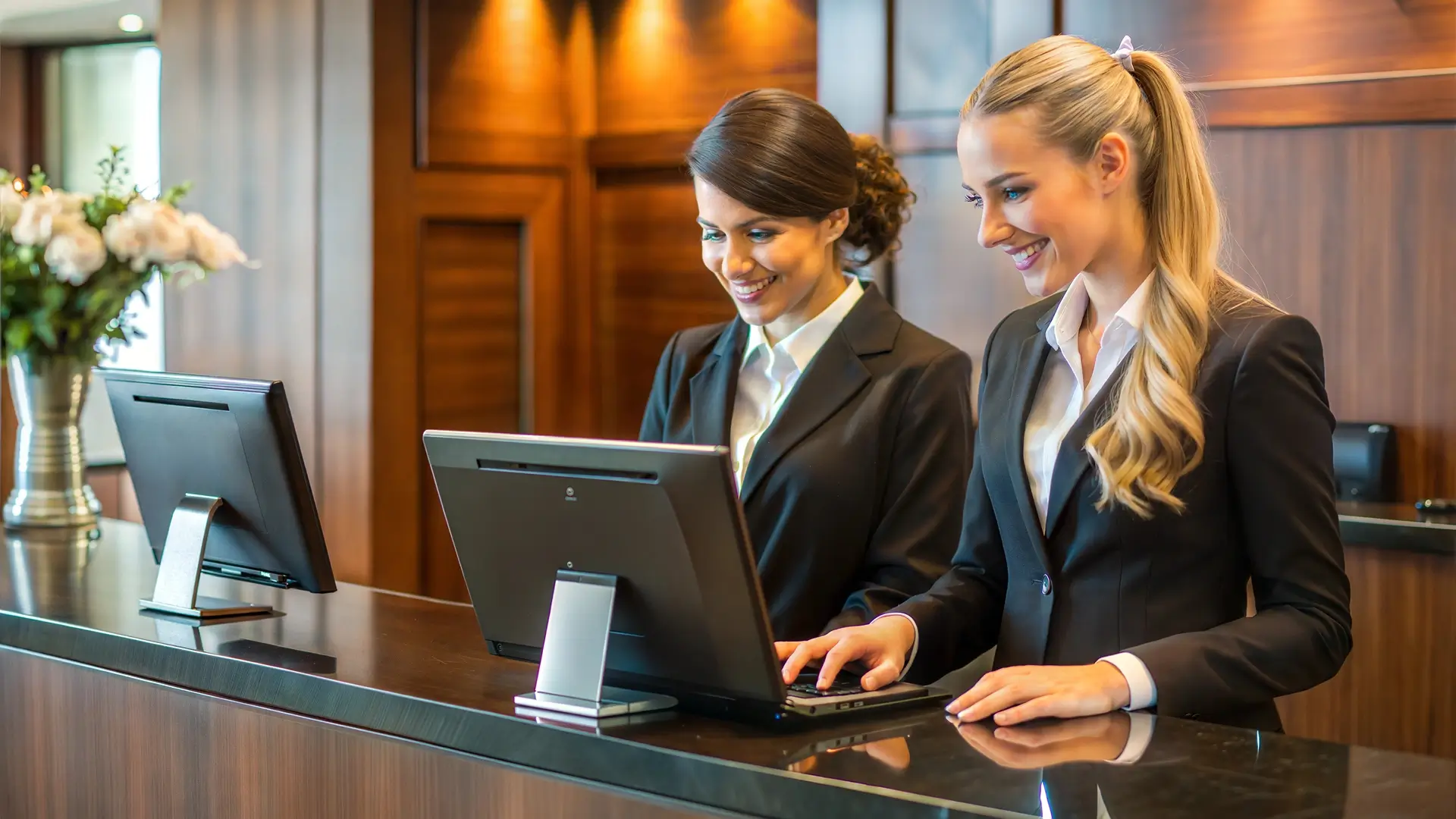
In the hospitality sector, customer satisfaction is usually determined not by technical skills but by the ability to build human connections. While working with thousands of hotel employees in recent years, I’ve noticed that even if they’ve received training on technical topics, managing a simple customer complaint or communicating effectively within a team challenges many professionals. This gap in communication skills directly affects not just the customer experience but also employee morale and operational efficiency.
This is exactly where the power of workshops emerges. Giving theoretical knowledge in a classroom setting is one thing, but being able to practice in real situations is a completely different thing. Structured workshops that develop employees’ communication skills play a vital role in both individual development and corporate success.
Why Is Developing Communication Skills So Important?
A hotel is much more than clean rooms, good food, or modern facilities. The customer, whether a tourist or a businessperson, remembers who served them in the hotel experience, how they were spoken to, and how much empathy was shown. At this point, everyone from the receptionist to the housekeeping staff, from the kitchen chef to the room-service staff, should behave like a communication expert.
But communication doesn’t just mean talking. Effective communication involves listening, understanding, reading the other person’s emotions, and responding appropriately. Someone working in the hospitality sector may not solve a problem in five minutes in a conversation, but the respect and attention the customer feels in those five minutes can completely change their perception. Most customer complaints actually stem not from the problem itself but from how the problem is handled.
The Structural Advantages of Workshops
Traditional training methods require employees to be passive recipients. A presentation is made, notes are taken, an exam is passed, and it’s over. But workshops turn participants into active players. Individuals encounter realistic situations in role-play scenarios, can make mistakes, get feedback, and learn immediately applicable solutions.
The biggest strength of communication workshops in the hotel environment is being able to practice risk-free through simulation. Making mistakes in front of a real customer is expensive; the cost of mistakes made in a workshop environment is zero, but the learning value is high. A receptionist observing their own reactions by encountering an angry-customer role and being able to try different approaches forms the foundation of the work that staff member will do for many years.
Also, workshops strengthen team dynamics. Employees from different departments find the opportunity to understand one another by coming together in the same environment. Housekeeping staff understand why the receptionist needs front-office knowledge, or the cook realizes how important the service team makes customer needs.
The Basic Components of Effective Workshops
A workshop being successful depends on the content being well-designed. A good communication workshop should include certain basic components. First, situational awareness is very important. Participants should be exposed to realistic scenarios they might encounter in the hotel environment. An angry guest, a tourist whose request can’t be fulfilled, guests making multiple requests at the same time, misunderstandings stemming from cultural differences—these are the situations that should be experienced in workshops.
Second, the feedback mechanism is the backbone of workshops. After role-play is done, constructive feedback should be gathered from observers (other participants and trainers). Through questions like “What did you do well?”, “Where can you improve?”, “What would happen if we tried a different approach?”, participants find the opportunity to objectively evaluate their own performance.
The third component is repeatability. A single workshop isn’t enough. Communication skill, just like an athletic skill, can be developed with continuous practice. Periodic workshops ensure that the knowledge learned stays in employees’ memory and creates real changes in their behavior.
Real Scenarios and Practical Applications
To give as an example a workshop I ran at a hotel chain, we organized a “Resolving Customer Complaints” workshop for the reception team. In the first part of the workshop, we talked about the psychology behind complaints. Why does the customer complain? Do they feel forgotten? Do they think their being right isn’t recognized? Have they lost control?
Then, I presented a framework consisting of five basic steps: listening, showing empathy, understanding the problem, offering a solution, and following up. But more important than presenting the framework was enabling participants to apply these steps in live scenarios. A trainer took on the role of an angry customer; the room wasn’t clean, the staff member wasn’t there, and then a mistake had been made at the payment point. The receptionists tried to cope with this situation.
On the first attempt, most staff immediately went on the defensive, making explanations like “But I wasn’t there” or “There’s a system error.” After feedback, when they played the same scenario again, they tried another approach: “I’m very sorry for the discomfort you experienced. I care about nothing other than listening to you and solving this problem right away.” This simple change changed the customer’s reaction at its root. Instead of anger, they moved to cooperation.
Technology and the Evolution of Communication Workshops
Today, workshops are evolving too. Not just face-to-face but hybrid or entirely online workshops have also become possible. Through video recordings, participants can watch their own communication styles, which is quite a powerful self-awareness tool. At the same time, the future use of virtual-reality technology in workshops could make the experience even more immersive.
But despite technology, it’s critical not to lose the human aspect. The real value of workshops stems from the interaction between people and an environment of trust. Participants need an environment where they can speak and try freely, without fear of making mistakes.
Communication Development as Organizational Culture
A one-off workshop doesn’t create lasting change. The hotel should adopt communication development as an organizational culture. This starts with upper management’s commitment to it. Managers should be with participants in workshops, play the same scenarios, and get the same feedback. The learning is not “being a leader” but “communicating like a leader.”
Periodic workshops should be included in annual performance evaluations, and progress should be tracked. How the skills learned in workshops are applied in the real work environment should be observed. If a staff member gets good feedback in workshops but doesn’t use the same methods on site, this is an organizational and management problem.
Conclusion: An Area Worth Investing In
Workshops that develop employees’ communication skills are not an area to be overlooked in the hospitality sector. As customer satisfaction increases, employee turnover decreases, operational problems are solved faster, and the hotel gains a competitive advantage. All of this is directly connected to how individual employees communicate.
If the hotel’s success truly matters, investing in its people is inevitable. Workshops are one of the most concrete and measurable forms of this investment. At Okay Supports, I’ve organized similar workshops for hundreds of hotels, and I’ve seen the same result every time: a small increase in communication skills creates a big difference in the customer experience.
If you’re experiencing problems in communication, customer service, or team dynamics at your hotels, consider trying workshops. In the short term it may require a bit of time and resources, but the return it brings in the long run will undoubtedly be positive.