
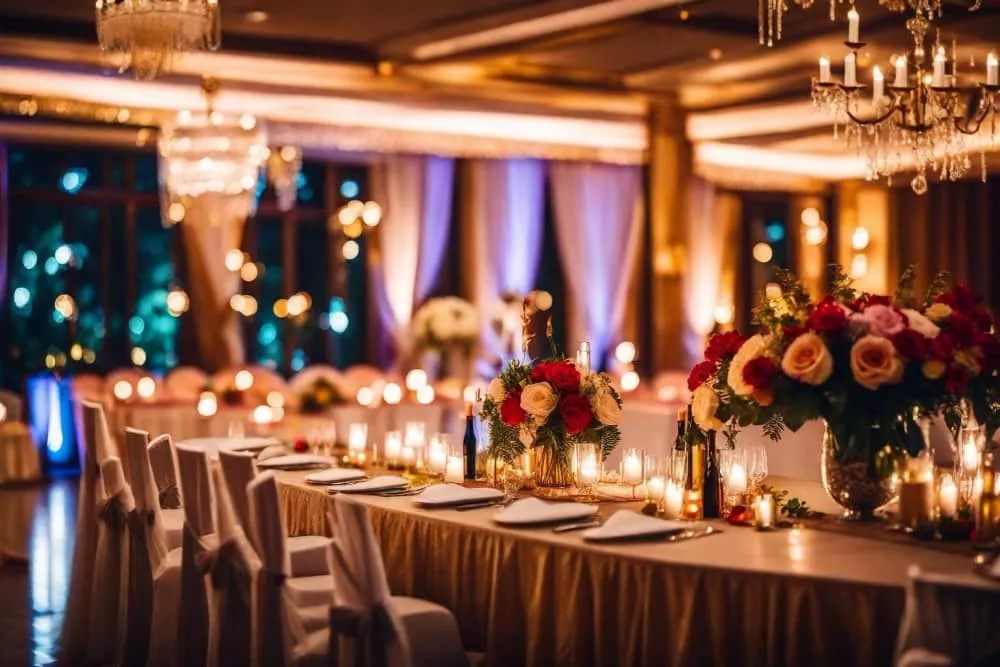
Banquet organizations are the most concrete indicators of a hotel’s operational success. Managing a wedding, corporate conference, or gala evening to near perfection requires hundreds of details to work simultaneously. What I’ve seen at many hotels over the past years is this: at many hotels, it’s not a technician that’s missing but a coordinator. In this article, I want to share the elements that truly make banquet management effective and their practical applications.
At the Foundation of Planning Is Communication
The success of banquet management begins with a good communication system as much as a good plan. Often the division of duties isn’t clear, and this causes chaos during the day. Starting from the first meeting you have with the customer to the last hour of the event day, there should be crystal clarity at every stage.
The first point that needs attention is understanding customer expectations correctly. A bank manager meeting and a wedding reception require completely different atmospheres and setups. In the meetings you have with the customer, you should discuss not just the menu but every detail like ambiance, music, lighting, guest profile, and timeline. Putting these meetings in writing prevents disputes that may arise later.
Team Coordination and Role Distribution
A banquet’s success depends on each department fulfilling its own duty perfectly. Kitchen, waiter service, reception, security, cleaning—each unit plays a separate orchestral part. For these to become a harmonious symphony, clear leadership and coordination are needed.
The banquet coordinator should be, in this process, not a ruler but a good orchestra conductor. You should hold planning meetings that begin weeks in advance together with the person responsible for each department. The kitchen chef should know how many dishes need to be prepared during the event’s busy hours. The head of service should know in what order and at what times the dishes will be served. The receptionist should know how many guests are expected and their special requests.
A method we frequently apply is holding a 30-minute coordination meeting with the heads of all departments on the morning of the banquet day. In this meeting, we discuss scenarios that could occur during the day, critical hours, emergencies, and solution paths. That way, when the event begins, everyone knows what to expect and their reflexes work better.
The Art of Timing: Minute-by-Minute Documentation
The time schedule given by the customer at the start of a banquet should be adjusted according to all departments. For example, if appetizer service is to begin at 7:00 p.m., the kitchen should start preparation 20 minutes before this time. If wine service is to be at 7:30, the sommelier needs to prepare the bottles in advance.
As a practical tool, prepare a minute-by-minute schedule. This document should state in writing what needs to happen at 7:00 p.m., what needs to happen at 7:15, and what needs to be done at 7:30. Print this schedule and give it to the banquet coordinator, the head waiter, and the kitchen chef. That way, everyone instantly knows where they should be and what they should be doing at that moment.
Dynamism is important too. If the customer has a problem or the timetable changes, you should convey this change to all parties quickly. Written communication tools—WhatsApp, in-house messaging systems—are lifesavers at this point.
Going Beyond Customer Satisfaction
In banquet management, meeting customer expectations is not enough. You must surprise them. At a wedding, the groom and bride have arrived and are excited, but if at that moment they see reliable, attentive, cheerful service around them and the details are flawless, they’ll remember this moment their whole lives.
The way to ensure this is to pay attention to details. Guests waiting even a moment at the bar is unacceptable. The temperature of the hall should be comfortable. The music level shouldn’t prevent conversation but shouldn’t give a feeling of empty silence either. Waiters should be there immediately when the necessary moment comes, without being seen.
Another important element is the capacity for flexibility. If the customer has invited 10 extra people at the last minute, you should find a solution to this quickly. The kitchen should increase the number of dishes, the number of waiters should be adjusted, and the hall arrangement should be changed. You should see these problems not as problems but as an indicator of solutions.
Striking a Balance Between Budget and Quality
Another critical area in banquet management is striking a balance between budget and quality. Every customer has a different budget, and you should offer the best possible experience within this budget.
Some customers want to spend less money while hosting more guests. In this case, creativity should come into play and you should offer alternatives. For example, you can simplify the menu and give special importance to presentation and decoration. Or you can have them prefer a limited number of high-quality dishes. In every case, you should design a package that stays within the customer’s budget but offers them maximum value.
Cost control is important too. In the planning stage, calculate how much material will be bought and how many staff will be worked, and keep these figures realistic. Additional costs that emerge later can wipe out your profit.
The Role of Technology and Software Tools
Today, various software solutions exist for banquet management. Event-management platforms make time schedules, customer communication, and report preparation easier. But a very important warning: technology cannot replace the human touch.
Good software makes coordination and documentation easier. But the person who looks the customer in the eye, holds their hand, and listens to their concerns should still be a human. Technology should support this human communication, not replace it.
The Assessment Done Afterward
When the banquet ends, the work isn’t finished. A day after the event, a short meeting with the customer measures their overall satisfaction and gathers feedback. Record this information and apply it in the banquets that follow.
Also, an internal assessment should be done. Hold a meeting with the department heads and discuss what went well during the day and what can be improved. This culture, over time, strengthens your team even further.
Banquet organization is the best reflection of a hotel’s service quality. Every event brings with it an opportunity and a responsibility. With correct planning, strong coordination, and a customer-focused approach, banquet management becomes not just an operational task but a tool that increases the hotel’s prestige. This process, which seems complex at first, becomes the hotel’s most profitable and most satisfying events when made systematic.