
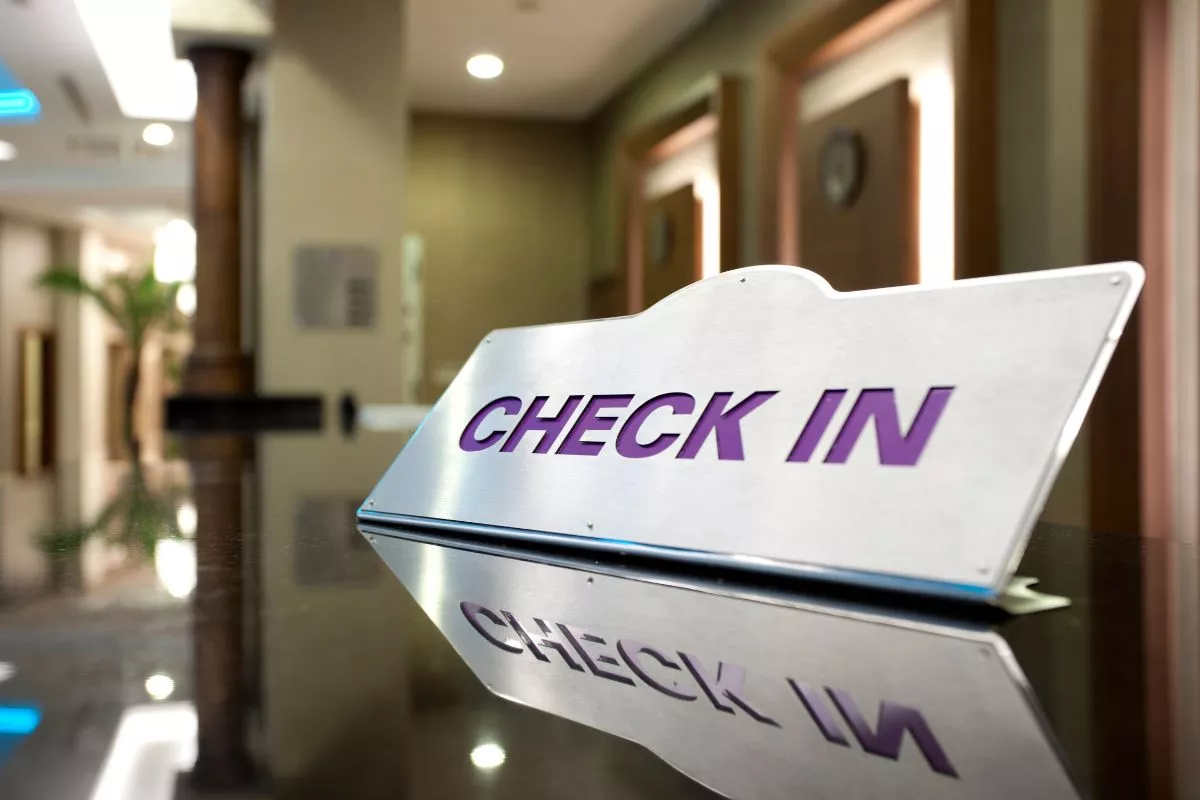
The check-in moment is the guest’s first encounter with the hotel. Those first few minutes determine the experience they will have throughout their entire stay. Whether it will be a fast transaction or a personalized welcome shapes the guest’s expectations and begins to affect their sense of comfort from the very first moment.
In my experience in the sector, the most successful hotels are those that see check-in not just as a procedure but as the beginning of experience design. In this article, I’ll share what it truly takes to create the perfect check-in experience.
The Power of Check-in on the First Impression
Research shows that guests evaluate service quality throughout their entire stay based on their first experience at the hotel. A guest arriving after a tiring journey feels rested with a fast, trouble-free check-in; a guest who encounters a complicated process begins to feel angry at the very start of a long stay.
Although check-in time may seem like a simple management matter, it actually forms the foundation of a customer-satisfaction strategy. If this first contact is managed well, the guest becomes more tolerant of small hiccups. But in the opposite case, every detail is perceived in magnified form.
Advance Preparation: The Cornerstone of the Work
The perfect check-in experience actually begins long before the guest arrives at the hotel. From the reservation system to the front-office team’s advance knowledge, everything must be prepared beforehand.
First of all, it is critical that reservation data be complete and up to date. The guest’s name, surname, special requests, previous visits, and preferences—all must be correct in the system. If the guest has stayed at the hotel before and a note was made, not using it is a missed opportunity. For example, if a light sleeper was noted in advance, you can assign a quieter room. Or if the guest left preferences about room-service habits, the housekeeping team can prepare accordingly.
Having the front-office team do advance preparation an hour or two before check-in time makes a difference. Are the rooms ready and clean, is the minibar stocked, have all electrical appliances been checked to ensure they work? Have cleaning and maintenance tasks been completed? These details directly affect the guest’s comfort when they enter the room.
Empathy and Personalization at the First Encounter
What happens when a guest enters the lobby? A common situation: there is someone sitting at an empty desk, and no one notices the guest until they approach. Or, on the contrary, an impersonal “Welcome” is offered in place of inattention. Both are mistakes.
A good check-in begins with eye contact and a smile from the moment the guest walks through the door. The front-desk employee should read the guest’s face. Are they in a hurry, tired, happy? Do they have a child, or have they brought someone along? These observations determine the tone of the conversation and the speed of service.
Personalization plays a very important role here. Using the guest’s name may seem simple, but it creates a psychological effect. Saying “Welcome, Ms. Yilmaz” is very different from saying “Welcome.” The first conveys that you see the guest as a recognized individual. The second comes across as just a routine greeting.
Operational Speed Versus the Human Touch
Some hotel managers see these two elements as conflicting: a fast check-in or a personalized check-in? Yet they can be carried out together.
Technology can help here. Having information entered into the system in advance saves time at check-in. A mobile check-in option can be an ideal solution for some guests. But remember: technology should provide ease, not remove the human touch.
A truly effective check-in compresses the process into 3–5 minutes while at the same time answering the guest’s questions and noting the room’s special requests. At hotels that achieve this balance, guest satisfaction levels are remarkably high. The training of the front-desk team is decisive at this point. Employees should know not only procedure; they should also know customer psychology, how to use empathy, and how to make quick decisions.
Solving Potential Problems in Advance
A perfect check-in is not so much about experiencing no problems as it is about solving problems immediately and gracefully.
Let’s take common situations. You realized the room isn’t ready, but the guest has arrived? Don’t get defensive—you should have been able to anticipate this before anyone showed up. But if it happens, offer a sincere apology and provide an alternative room—and if there is a better one available, upgrade them. This solution turns what first looked like a problem into an opportunity for customer satisfaction.
Similarly, what do we do if there is an error in the reservation system? What if they made a reservation at the loyalty-program price without being a member? Situations like these should be resolved by front-office employees who make quick decisions and are given authority. Making the guest wait to consult a manager causes them to lose time.
Information: Helping the Guest Get to Know the Hotel
A perfect check-in scene also includes giving the guest important hotel information as they head to their room. But quality information delivery is what matters here.
The concierge or front-desk employee, perhaps with a small guide or verbally, should explain the hotel’s basics: reception hours, emergency procedures, breakfast times, the Wi-Fi password, available services. But don’t rattle off a list from start to finish. Instead, say something like: “We serve breakfast from 6 to 10 in the morning. If you have a question, just press the button. The Wi-Fi password is written on your card too.” This way, you’ve given the basic information without making the guest feel overwhelmed.
Completing the Experience Beyond the Door
Check-in doesn’t mean it’s over at reception. The guest heading to their room is the start of their hotel experience. What should they find in their room? Is everything tidy, clean, are the lighting settings good, is the room temperature suitable?
Some hotels can plan a small event for the room opening. A cup of coffee, a fruit basket, or a personalized note—these elements, which pleasantly surprise the guest when they enter the room, continue the check-in experience. Their cost is minimal, but the impression they create is priceless.
Staff Training: The Heart of the Experience
There is a truth: however good the written procedures are, people add something extra when they live it out. The front-desk team’s attitude, intonation, and body language—all determine the check-in experience.
Training is the most important investment here. Employees should not just learn the system; they should also learn to understand guest psychology, different cultures, and needs. Empathy-based training gives employees the chance to answer “why” questions. Why does the guest matter? Why is the first impression valuable? Employees who can answer these questions become not just people doing a job, but professionals carrying a mission.
Measuring and Improving
The perfect check-in experience is not a goal but a continuous journey of improvement. Hotels should collect guest feedback about check-in, analyze it, and turn it into improvements.
Surveys, social-media comments, review platforms—every source is valuable. But observations matter too. The front-desk manager should observe at check-in time: how long does the transaction take? Do guests appear satisfied? Which problems recur frequently? This data-gathering approach leads to concrete improvements.
Periodically reviewing the check-in procedure, getting the team’s feedback, and testing it in practice is one of the best practices.
Conclusion: Seeing the Check-in Experience as a Strategic Tool
A perfect check-in experience is not just about placing the guest in their room quickly. It is a reflection of the hotel’s values, its guest focus, and its professionalism. From advance preparation to service delivered with empathy to transaction speed supported by technology, every element shapes this experience.
Successful hotels have understood the power of check-in. The quality delivered at this time determines how the guest will perceive the hotel throughout their entire stay. For a better check-in experience, you can start reviewing your own operation today. What is being done, what needs improving, what support do the staff need? A journey of improvement that begins from these questions will create a real difference in guest satisfaction.