
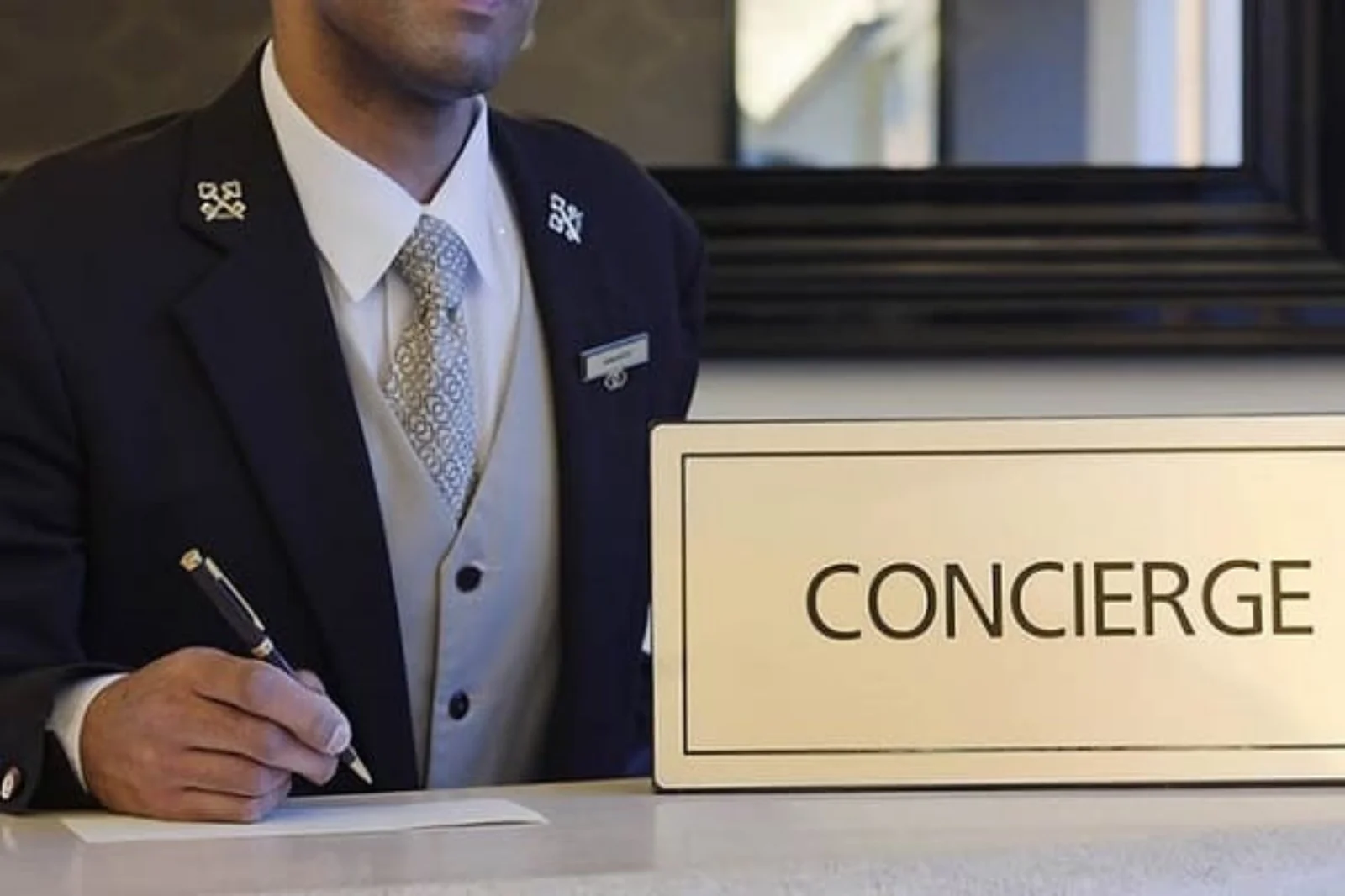
Last week, a guest who had stayed at a four-star hotel told me this: “If I hadn’t taken the recommendations the concierge gave me, I would never have gotten to know this city.” At that moment I realized that the quality of hotel services is measured not only by the cleanliness of the rooms or the taste of the food. The guest’s experience is often hidden in a concierge’s personal attention and professionalism.
Through the eyes of hotel guests, the concierge is usually seen as “the person who can do and know everything.” But this role runs too deep to be described simply. For a concierge to reach excellence requires empathy, patience, and an eye for detail as much as knowledge. In this article, we’ll explore how you can raise quality in concierge services and how to take customer satisfaction to the maximum level.
The True Meaning of Concierge Service
The word “concierge” comes from French and literally means something like “keeper of the keys.” But in today’s hospitality services, the concierge is a professional responsible for meeting the guest’s every kind of request, providing local information, making reservations, and even solving unexpected problems.
The most important point I’ve noticed is this: an excellent concierge doesn’t just know the answers to the questions asked. They also anticipate unasked needs. For example, if a businessperson checks in, they may need a quiet restaurant recommendation where they can work efficiently. If it’s a honeymoon couple, finding romantic spots and hidden gems is just as important. This kind of understanding comes with experience and training.
Knowledge and a Local Network: The Concierge’s Greatest Weapons
Knowing the restaurants, theaters, museums, taxis, doctors, and emergency services in the city where you work is the cornerstone of concierge service. But beyond that, to reach true excellence you need to build a living network.
This network isn’t just connections established with business owners. Building good relationships with people at the operational level—the chef, the waiter, the receptionist, the taxi driver, the theater ticket agent—is also extremely valuable. Why? Because these people can share real experiences and insider knowledge with you, beyond official information. At the restaurant where you make a reservation for a guest, the chef may have a special recommendation, or you may need to go at a certain time—these are the kinds of details that make the difference.
Also, in the technology age, information sources change very quickly. Event dates get updated, restaurants close, or new venues open. Staying current is part of the concierge’s responsibility. Getting weekly updates from local sources, following social media, and gathering feedback from guests are ways to keep your information map fresh.
The Art of Personalized Service
When a guest approaches the concierge and asks, “What would you recommend?”, one of the biggest mistakes is giving everyone the same recommendations. What is ideal for guest A may be a disappointment for guest B.
An excellent concierge knows to read the guest’s profile at the first encounter. What is their budget? What kinds of activities interest them? Do they have any allergies or dietary restrictions? If they have a spouse or family, what might their wishes be? Is their time limited, or do they have hours to spare? Along with these questions, the person’s manner of speaking, body language, and visit history also offer clues.
For example, you might recommend the same opera to a thirty-year-old entrepreneur and a seventy-year-old retired teacher, but your suggestions for what to do before the opera should be completely different. For the former, something fast and energizing; for the latter, something relaxed and spacious.
Problem-Solving and Crisis Management
The real challenge of concierge service emerges not when everything is going well, but when something goes wrong. A reservation record has been deleted, a flight has been delayed, or the guest has encountered a problem they never expected.
In these moments, the concierge’s attitude can completely change customer satisfaction. As important as solving the problem is the empathy and quick action shown to the customer. The situations I’ve faced in the past have taught me that being the party that made the mistake matters less than the customer’s disappointment. What matters is how you make up for the mistake.
For example, even in a mistake made by external stakeholders, the concierge serves as a bridge between the customer and the hotel. Calmly listening to a guest angry that the taxi didn’t arrive at the airport, and immediately offering an alternative solution, can change all of that guest’s negative thoughts about the hotel. This is not just solving a problem; it is rebuilding trust.
Communication Skills and Emotional Intelligence
All the knowledge and network are not enough if communication skills are poor. The concierge must know how to speak differently with each guest. When speaking with an international guest, there may be a language barrier. People from different cultures have different ways of understanding. An espresso recommendation for an Italian should be as natural as a tea recommendation for a Turk.
Also, understanding what the customer wants isn’t just about listening to the words. You need to grasp the guest’s mood, whether they want a mechanical response or a genuine recommendation, and whether a quick or a detailed answer is expected. All of this is called emotional intelligence, and it is a skill that can be developed through training and practice.
Professional Development and Continuous Learning
Reaching concierge excellence is not completed at the end of a single training course. It is a lifelong learning journey. The change in your city, tourism trends, guest expectations—all constantly evolve. For this reason, receiving regular training, observing good examples, and learning from your successes is critical.
Also, exchanging ideas within the concierge team is very valuable. Other concierges’ experiences, different perspectives, and new suggestions all enrich your information map. That is why building a strong team culture directly affects service quality.
Conclusion: Excellence Is Not a Goal but a Journey
Reaching excellence in concierge service is not just about sitting behind a reception desk. It is the responsibility of shaping the guest’s experience, exceeding their expectations, and sometimes even anticipating them. Knowledge, network, communication skills, emotional intelligence, and continuous learning—all of these must move together.
If you or your team are moving along this path, know that you’re on the right track. But remember: customer satisfaction is never a “finished” state. Every day, every guest, is starting again. And this very desire for constant renewal and improvement is what brings you closer to excellence.
At Okay Supports, we are here to strengthen your teams and raise your operational standards on this journey. If you’d like support with concierge-service training or general tourism-service development, don’t hesitate to reach out to us.