
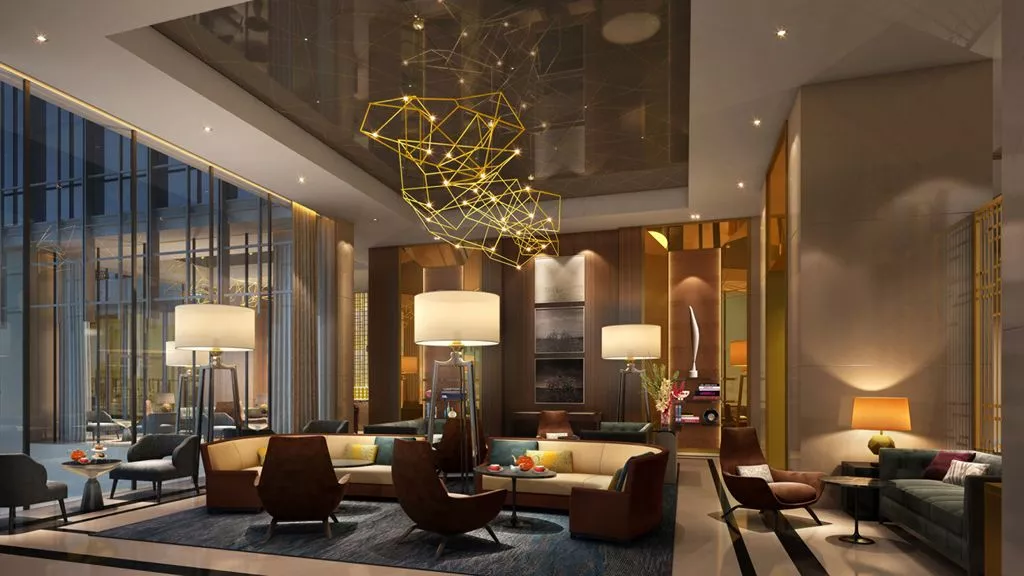
Do you know how important the moment of arriving at a hotel is? Guests often form their first impressions in the lobby area. While these first 30 seconds lay the foundation of the entire stay, the lobby atmosphere determines how solid a structure will be built on that foundation. What I’ve seen over years of working in hotels is this: two hotels offering the same service can create serious differences in guest satisfaction because of differences in the lobby experience.
The lobby is not just a physical space. Here your brand speaks, your values become visible, and taking a place in your guest’s heart begins. Every detail of the atmosphere—light, sound, design, scent, temperature, and human interaction—plays an active role in forming a particular perception of the hotel in the guest’s mind. In this article, I’ll examine in depth the mechanism by which lobby atmosphere shapes guest perception, and I’ll offer practical suggestions for making your hotel lobby more effective.
The Power of the First Impression and Its Long-Term Effect
Known in psychology as the “primacy effect,” this phenomenon is critically important in the hospitality sector. When a guest takes their first step into a hotel, they unconsciously form a quick judgment about it by gathering a series of cues. The lobby atmosphere determines 60% to 70% of that judgment.
So why is this beginning so important? Because the human brain uses the information it receives first as a reference point during subsequent experiences. If the lobby is dull, cold, and disorderly, then even if the guest has positive experiences throughout the stay, they can’t completely erase the bad first impression. Conversely, if the lobby experience is flawless, the small hiccups that follow are perceived by the guest as more forgivable and understandable.
The Elements of Atmosphere: The Visible and the Invisible
Lobby atmosphere consists of more than just the physical design visible to the eye. It is actually a holistic experience that appeals to all of the guest’s senses. Let’s address these under headings:
Visual design and cleanliness are the most prominent components of lobby atmosphere. The guest takes in the first impression of the hotel space as they enter through the door. Marble, wood, or glass—whatever it is—everything must be gleaming and clean. But the point to note here is this: being a luxury hotel is not a requirement. Cleanliness and order can be achieved at a hotel of any budget, and the guest notices it immediately. Scent is a tool often overlooked in this area but very powerful. A light, fresh scent (for example, lemon, lavender, or a signature hotel aroma) triggers a pleasant environment in the guest’s mind.
Lighting has great power in creating emotion, beyond just providing a lit environment. While very bright light feels sterile and cold, soft, managed lighting conveys warmth and comfort. Especially in the evening, lobby lighting can completely change the guest’s first feeling.
The sound environment is a frequently ignored factor. While excessive noise in the lobby creates stress, appropriate background music (usually jazz, classical, or ambient genres are preferred) creates a calm environment. The tone and volume of the reception staff’s voices also contribute to the lobby atmosphere.
Temperature control may often seem like a technical matter, but it directly affects the guest’s comfort. A lobby that is too hot or too cold becomes a place where the guest hesitates and wants to pass through quickly.
Staff Interaction: The Living Dimension of Atmosphere
The most dynamic part of lobby atmosphere is, without a doubt, staff interaction. The behavior, manner, and smile of the receptionist, the bellhop, the security guard—all of these enhance or ruin the lobby experience.
When a guest enters the hotel lobby, within five minutes they’re looking for a face that will look at them. That face needs to be warm, welcoming, and professional. Especially in the evening or with last-minute arrivals, a warm word of welcome or a sincere smile can turn the lobby atmosphere into something completely different. Similarly, staff genuinely listening to the guest and offering personalized suggestions—rather than acting like a pre-prepared tourist guide—affects guest perception powerfully in a positive direction.
There is an important point to note here: as much as training your staff, equipping them with strong motivation is also necessary. A stressed, unhappy receptionist’s smile looks artificial and leaves a negative effect on guests’ perceptions. Therefore, part of improving the lobby atmosphere begins with human-resources management and managing staff morale.
How Lobby Design Reflects on Business Performance
It is not enough for the lobby atmosphere to be merely “pleasant.” It must also translate into measurable business results. So the question becomes: how does a good lobby atmosphere turn into customer return, repeat visits, and positive reviews?
Research shows that guests with a positive lobby experience file fewer complaints, are more inclined toward additional services (such as spa, restaurant, conference rooms), and recommend the hotel more often on social media. Since the lobby is the area where the heart of the business is located, investment here increases brand value and customer loyalty in the long run.
Also, a well-designed lobby reduces employee turnover. Why? Because employees tend to be happier and more motivated in a beautiful environment that maintains an effective atmosphere. Low employee turnover means consistency of service quality, which creates a cycle that improves the guest experience.
Practical Improvements: First Steps
Improving the lobby atmosphere doesn’t necessarily require big budgets. Some simple steps can produce quite effective results. To mention practices you can start right away:
First, inspect every corner of the lobby with detailed observation. Think through cleanliness, brightness, sound level, scent, and temperature with the guest’s eyes. At some hotels, if there is heavy foot traffic right next to the entrance doors, creating a comfortable waiting area there allows the guest to observe without feeling uncomfortable.
Second, strengthen staff training. Ensure that receptionists receive training not only on check-in procedures but on guest psychology, communication skills, and the lobby experience. Every staff member should know they are a creator of the lobby atmosphere.
Third, actively collect guest feedback. At the moment of departure, on platforms like TripAdvisor, or through private surveys, ask what they think about the lobby experience. This information is invaluable for improvement.
Conclusion: The Lobby, the Mirror of Guest Perception
The lobby atmosphere is a critical factor that determines the guest’s first and long-term perception of the hotel. From cleanliness to scent, light, and staff interaction, every detail creates a particular emotion and impression in the guest’s mind. This impression affects not just that moment but the entire stay experience and even the evaluations the customer will make about the hotel.
If you aim to increase guest satisfaction at your hotels, raise the return-visit rate, and receive positive reviews on social media, the investment you make in lobby atmosphere will certainly be one of the most effective moves. Remember: when a guest enters the hotel, you have already begun to tell them what they will experience and how they will feel through the lobby atmosphere. Telling this story well is one of the keys to business success.
Are you ready to review and improve your lobby atmosphere? Start today—because every guest is special to you.