
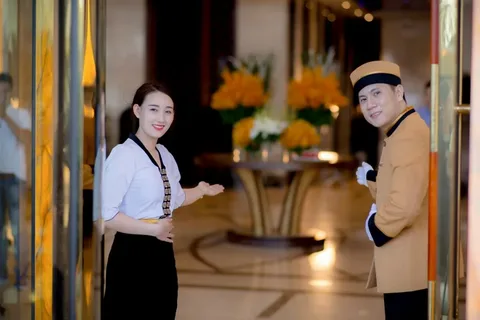
Working in this sector for more than 30 years, I have realized that the biggest difference between VIP guests and standard guests is never the luxury of the room or the contents of the minibar. There is something much more fundamental: the importance given to detail. Last week, a small anecdote at a four-star hotel prompted me to write this article. A VIP guest, before even entering their room, said that the receptionist remembered their name and mentioned the day’s weather forecast. Even though all the services at the hotel were excellent, what impressed the guest was the sincere attention that staff member showed.
VIP guest service is not simply about offering luxury. The work is actually much deeper. The factors that determine a hotel’s status, professionalism, and customer loyalty are most often about noticing and resolving small, unwelcome details in advance rather than about grand events. In this article, in light of my 30 years of experience, I’ll share why details are so critical in hosting VIP guests and how to make these details systematic.
The Definition of a VIP Guest Should Be Broader
When I talk with many hotel managers, I see that they limit the definition of a VIP guest to corporate executives, famous people, or those with high spending capacity. But the real world is a bit more complex. A VIP guest is someone who returns to the hotel, gives positive word-of-mouth referrals, has loyalty, and recommends the hotel they love to their friends. Sometimes this is someone who has worked in destination tourism, and sometimes a local businessperson.
This broadened perspective is very important. Because it means that VIP service is not the concern of certain rooms alone, but must be part of the whole team’s culture. Everyone from the receptionist to the banquet staff, from the housekeeping team to the concierge, must be able to see the VIP potential in any guest and behave accordingly. If this philosophy is not established at a hotel, no matter how expensive the protocols you create, something will always be missing.
The Psychology of Details: Exceeding Guest Expectations
Human psychology has a simple principle: the less expectation is stated, the easier it becomes to exceed expectations. But for VIP guests, this calculation is a bit different. They expect another layer above the standard expectations. This creates a new paradox: you must know in advance what they want, yet at the same time surprise them.
To give a practical example, if a guest goes to their room and finds the pillows smoothed out but with no pillow options, that is standard service. But if their sleep preferences were asked beforehand, at check-in (firm or soft pillow?), and this was noted, and then when they enter their room there are five pillow options, this turns into a service experience. Such details create in the guest’s mind the thought, “This hotel really understood me.”
The most successful hotels I have seen in 30 years have made these details systematic. Check-in forms don’t contain only standard questions. Information like the guest’s purpose of travel, dietary habits, whether they’re in a hurry, and how many hours they need to sleep is collected. Then the whole team uses this information to personalize the guest experience.
Consistency: Making the VIP Experience Repeatable
The most common mistake in VIP hosting is that special services depend on a single person. For example, if receptionist A builds excellent rapport with a VIP guest, then when staff member B works with the same guest, the experience can fall apart. This creates inconsistency in customer satisfaction.
A successful VIP protocol requires that the procedures be written down and understood by the entire team. If a guest always stays in a suite, this should be noted and reserved automatically. If they like to wake up early in the morning and want a coffee at that time, management should know. These should be stored in the reception system and create a culture ready for service.
Transferring experience becomes important at this point. Considering seasonal changes, staff turnover, and the timing of vacations, recurring forms, logs, and regular training are necessary. If a guest keeps coming to the hotel and the service standard is the same every time, that hotel has built a successful VIP strategy.
The Combination of Technology and the Human Touch
Today’s hotel management systems offer powerful tools for storing all of VIP guests’ preferences. But technology is just a tool. The real magic lies in turning this data into human-centered service. There is a big difference between “the guest likes black coffee” being written in a system and the staff seeing that note and applying it.
An ideal VIP service system should be a structure in which technology provides powerful storage and communication, while the human being delivers this information with empathy. Mobile apps, QR codes, digital notebooks—all of these are good. But when a housekeeper enters the guest’s room and remembers the note written in the system and acts on it, that shows the hotel’s true level of quality.
Through the Observer’s Eye: Unexpected Details
When I give training on hosting VIP guests, I often ask this question: “Looking through the eyes of a guest evaluating the hotel yesterday, which details did you realize you weren’t paying attention to?” Most of the time, the answers are interesting.
Elevator wait time, the speed at which a door opens, the receptionist’s smile, and even the quality of the toilet paper all form a mosaic of experience in a VIP guest’s mind. None of these can be missed, because that guest has experience at other hotels too. They are comparing. Any decline is noticed.
To describe the common traits I have seen in the most successful VIP protocols over 30 years: advance preparation, connected communication, speed in problem-solving, and learning that is put to use. After every VIP visit, the team should conduct another assessment. “What did this guest like, what didn’t they like? What can we do on their next visit?” This must become part of the hotel’s culture.
Conclusion: Details Make the Difference
If I had to summarize the importance of details in hosting VIP guests in one sentence, I would say: Guests evaluate not the hotel but the experience. And the experience is the sum of the details.
If you see hotels merely as places to sleep, the VIP protocol becomes paperwork. But if you see a hotel as a space to create a memory in the guest’s life, the importance given to details becomes natural. A culture forms. And every staff member who passes through that culture automatically delivers VIP service.
To the managers, leaders, and training officers reading this, I recommend having your teams review their VIP service standards again. As a hotel, what sets you apart from the rest is shown not only in the design but in the guest moment. Details are what create that difference.
At Okay Supports, we are here to help you create this difference, systematize the VIP experience, and ensure your team internalizes this mindset. Because kindness is awareness and detail.